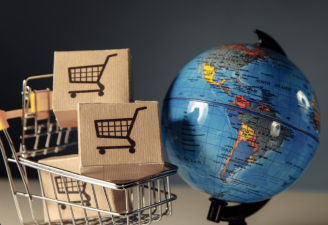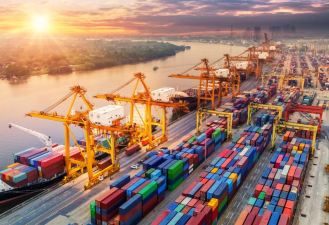
The world is rapidly developing, and people's lives are constantly changing. Everyone around us is buying everything they need online, from clothes and cell phones to snacks. Behind all of this lies two key factors: trade.The growth rate of international trade is influenced by various factors at different stages. In recent years, its growth performance has been closely related to the global economic environment, structural changes, and technological progress. Current international trade growth is faster than in the past, mainly due to policy coordination, supply chain optimization, expansion into emerging markets, and technological innovation. However, future growth may be affected by global economic uncertainties, requiring continued resilience through international cooperation and structural reforms.
- The rising role of the service industry in national economies: With changes in economic structures, the proportion of the service industry in various economies has gradually increased, becoming a key driving force for the development of international trade.
- The development of science and technology has led to the increasing specialization of the service industry: Technological advances have enabled the service industry to provide more diversified and personalized services, enhancing the competitiveness of services trade.
- The growth of global goods trade and trade liberalization have promoted the development of global services trade: With the advancement of global trade liberalization, barriers to services trade have gradually decreased, creating favorable conditions for the development of services trade.
- The rapid development of multinational corporations has strengthened the internationalization of services: Multinational corporations have driven the internationalization of services trade by providing services on a global scale.
- The expansion of international service cooperation has led to an expansion of trade in services: Deepening cooperation among countries in the international services sector has provided a broader market for trade in services.
- The rise and rapid development of international tourism has accelerated the development of trade in services: The development of the tourism industry has driven the rapid growth of tourism service trade.
- Developing countries are actively developing trade in services: By developing trade in services, developing countries have enhanced their economic strength and international competitiveness.
- Support from various governments is a catalyst for the rapid development of international trade in services: Governments around the world support and promote the development of trade in services by formulating relevant policies.
Drivers of Global Trade Growth
1. Policy Support and International Cooperation
- Many governments have introduced policies to stabilize foreign trade, such as financial support and tariff facilitation, to help businesses cope with challenges. For example, China has consolidated its position as a trade hub by expanding high-level opening-up and hosting national-level exhibitions such as the China International Import Expo.
- Regional trade agreements (such as RCEP and the African Continental Free Trade Area) have promoted trade development within the region, reduced trade barriers, and facilitated supply chain integration.
2. Supply Chain Resilience and Diversified Layout
- Although global supply chains face the risk of disruption, companies have improved efficiency through "shortening the chain" and diversification (such as nearshore outsourcing and friendly outsourcing).
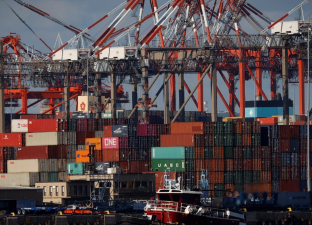
- Logistics innovation has shortened customs clearance times and enhanced trade efficiency.
3. Technological Advancement and Trade Model Innovation
- New models such as e-commerce and digital trade have reduced transaction costs and driven the evolution of traditional trade relations.
- The application of automation and artificial intelligence in customs supervision (such as remote video inspection) has improved trade efficiency.