Maintaining Heart Health: Strategies for Preventing Cardiovascular Diseases in the Elderly

ADVERTISEMENT

Cardiovascular diseases are a major threat to the health of the elderly worldwide, causing approximately 17.9 million deaths each year. As we age, the heart and blood vessels become more vulnerable to damage. However, by adopting effective preventive measures, the risk of these diseases can be significantly reduced. Here are some scientifically validated methods to help the elderly maintain heart health and prevent cardiovascular diseases.

Maintaining Heart Health: Strategies for Preventing Cardiovascular Diseases in the Elderly


Cardiovascular diseases are a major threat to the health of the elderly worldwide, causing approximately 17.9 million deaths each year. As we age, the heart and blood vessels become more vulnerable to damage. However, by adopting effective preventive measures, the risk of these diseases can be significantly reduced. Here are some scientifically validated methods to help the elderly maintain heart health and prevent cardiovascular diseases.

Early Detection and Timely Treatment


The early signs of heart disease and stroke may not be very obvious, but recognizing these signs is crucial for prevention. Common symptoms of a heart attack include chest pain, shortness of breath, nausea, and dizziness. Stroke symptoms may include weakness on one side of the face or body, difficulty speaking, and vision problems. If any of these symptoms are noticed, seek medical attention immediately to enable prompt treatment.

Healthy Diet to Reduce Cardiovascular Risk


An unhealthy diet is a major cause of cardiovascular diseases. The elderly should follow these dietary recommendations:
  • Reduce Salt and Sugar Intake: High salt and sugar consumption can increase blood pressure and blood sugar levels, thereby raising the risk of heart disease and stroke.
  • Increase Fruit and Vegetable Intake: These foods are rich in essential vitamins, minerals, and fiber, which help maintain heart health.
  • Choose Healthy Fats: Reduce intake of saturated and trans fats, and opt for foods rich in unsaturated fats, such as plant oils and fish.

Regular Exercise to Enhance Heart Function


Moderate exercise is crucial for cardiovascular health. The elderly should:
  • Choose Gentle Exercises: Activities like walking, swimming, and Tai Chi are beneficial for improving heart health without putting excessive strain on the body.
  • Maintain Exercise Consistency: Engage in at least 150 minutes of moderate-intensity aerobic exercise per week to strengthen heart function and boost metabolism.

Emotional Management to Maintain Mental Health


Emotional fluctuations can significantly impact cardiovascular health. The elderly should:
  • Maintain a Positive Attitude: Learn to manage stress and avoid anxiety or anger over minor issues.
  • Seek Psychological Support: If necessary, seek professional psychological counseling to help maintain a good emotional state.

Quit Smoking and Limit Alcohol Intake to Reduce Cardiovascular Disease Risk


Smoking and excessive alcohol consumption are significant risk factors for cardiovascular diseases. The elderly should:
  • Quit Smoking: Nicotine and carbon monoxide in tobacco accelerate arterial hardening and reduce oxygen transport in the blood.
  • Limit Alcohol Intake: Excessive drinking can be toxic to the heart muscle and increase the risk of heart disease.

Regular Check-Ups to Monitor Health Indicators


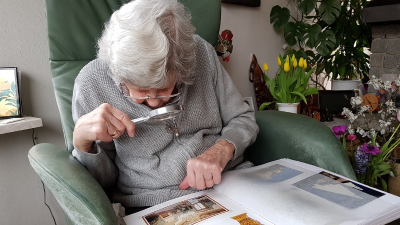
Regular monitoring of blood pressure, blood sugar, and cholesterol levels helps keep track of overall health. Check-ups can help detect potential issues early and allow for timely intervention.


Preventing cardiovascular diseases is a long-term process that requires the elderly to consistently practice healthy habits in daily life. By maintaining a healthy diet, engaging in regular exercise, managing emotions, quitting smoking, limiting alcohol, and scheduling regular check-ups, the elderly can effectively reduce the risk of cardiovascular diseases and enjoy a healthy and happy later life. Let’s start now to build a solid "shield" for heart health and embrace a brighter future!

ADVERTISEMENT

Related Posts

Why Healthy Eating Habits Start With Small Changes

Diet is the source of life and the foundation of health. However, in our fast-paced modern lives, irregular diets and an overreliance on processed foods are quietly threatening our health. In modern society, more and more people are paying attention to health, especially in the face of a rapidly changing lifestyle and increasing pressure. Health has become a core concern. However, health is not a concentrated effort at a particular moment, but a long-term, cumulative process. The essence of a healthy life is often hidden in our daily habits. These seemingly insignificant little habits are the key to our physical and mental well-being.

How Can You Lower Your Risk of Cancer in 2025?

In our age of cancer scare, any method to reduce cancer risk is undoubtedly of great interest. While there's no single best way to reduce cancer risk, some measures are likely already familiar. These include a healthy diet and lifestyle, consuming more green fruits and vegetables and less meat, and quitting smoking and drinking.The World Cancer Research Fund points out that lifestyle changes can prevent 30-50% of cancers. It recommends a comprehensive physical examination annually and developing a personalized cancer prevention plan based on individual risk factors. Cancer prevention is not about completely avoiding cancer, but about significantly reducing risk and achieving early detection and treatment. A healthy lifestyle not only prevents cancer but also helps prevent cardiovascular disease, diabetes, and many other chronic diseases, achieving multiple health benefits.

Why Mental Health Is Tied to Physical Health

The body and mind are closely connected, like inseparable twin brothers and sisters. We often emphasize the importance of mental health, but often overlook the equally crucial role physical health plays in mental well-being.In the fast-paced life of modern society, people are increasingly concerned about their health. However, many people tend to focus on physical health while neglecting the importance of mental health. In fact, mental and physical health are inseparable, complementing and influencing each other. Understanding the connection between mental and physical health not only helps us better maintain our health but also helps us maintain a positive attitude when facing life's challenges.

Why Public Awareness of Rare Diseases Matters

According to statistics, there are over 7,000 known rare diseases, but only less than 10% have treatment options. According to the World Health Organization, approximately 80% of rare diseases are caused by genetic defects, and about 50% of rare diseases manifest at birth or in childhood. Rare diseases often progress rapidly, have high mortality rates, and only about 1% have effective treatments. We should regard rare diseases as a window for us to understand medical development, disease progression, patient psychology, and improve overall social well-being. Doctors, research institutions, pharmaceutical companies, the general public, patients suffering from rare diseases, and their families should all actively contribute to the cause from their own perspectives. This will enable this large group of people with rare diseases, who are not actually rare, to enjoy more of the benefits of modern scientific and medical advancements, and to reduce the impact of rare diseases on their lives, health, and social functioning.

The Link Between Stress and Serious Diseases

Defining stress can be difficult because we all react differently to it. What's stressful for one person may be pleasurable or mildly disturbing for another.Prolonged exposure to high stress levels is indeed associated with an increased risk of various serious diseases. This is mainly achieved by affecting the body's neuroendocrine and immune systems, and by encouraging unhealthy lifestyles. Stress is a prevalent psychological state in modern life, triggered by various factors such as work pressure, academic pressure, and interpersonal relationship pressure. Prolonged exposure to high-intensity stress can have negative effects on the body and may even lead to physical illnesses.

What Is the Brain-Eating Amoeba and How to Stay Safe?

In the summer, many families enjoy outdoor water activities. Recently, there have been several cases of children contracting brain-eating amoebas while playing in the water. What are brain-eating amoebas? What are the dangers of brain-eating amoebas? What are effective measures to prevent brain-eating amoebas infection? Brain-eating amoebas generally refer to amoebas. Preventing infection requires a multi-pronged approach, including avoiding contact with unsterilized water, not drinking or using stagnant water, maintaining good lifestyle and dietary habits, and paying attention to personal protection.