Invisible Threats in the Sun: Revealing the effects of ultraviolet light and protection strategies

ADVERTISEMENT

Ultraviolet (UV) rays, though invisible, pose significant threats to our health, particularly our skin. This article explores the dangers of UV light, including its potential to cause skin aging, sunburn, and skin cancer, and offers effective protection strategies. By understanding the UV Index, applying sunscreen, wearing protective clothing and sunglasses, and avoiding peak UV times, you can protect yourself from UV damage. Awareness and proactive measures are essential for reducing the risks associated with UV exposure, regardless of the weather or season.

Invisible Threats in the Sun: Revealing the effects of ultraviolet light and protection strategies


Invisible threat of UV rays


We often enjoy warm and bright daylight with the sun, but did you know that the ultraviolet (UV) rays hidden in the sun can pose a serious threat to our health? Whether in hot summer or cold winter, ultraviolet light is always present, and the damage to the skin cannot be ignored. This article will explore the effects of UV light and how to effectively protect yourself.

What is the UV Index?


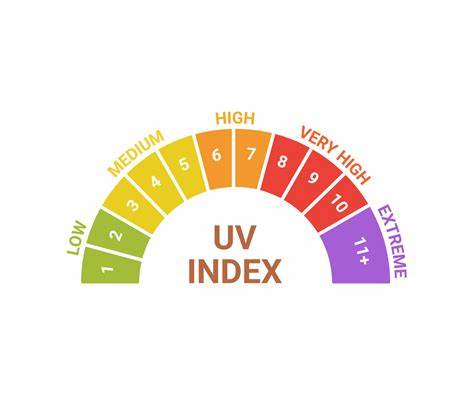
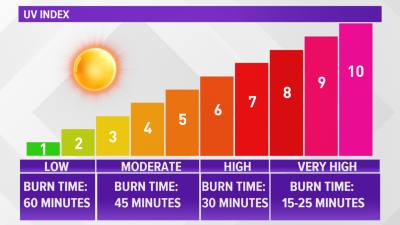
The ultraviolet Index (UV Index) is an indicator used to assess the intensity of ultraviolet radiation in sunlight. It measures the potential for UV damage to the skin and helps us understand the appropriate protective measures to take during a specific time period. The UV index ranges from 0 to 15, with the higher the number, the stronger the UV radiation and the more damaging it is to the skin.

Effects of ultraviolet light on skin


There are two main types of ultraviolet radiation: UVA and UVB.

  • UVA : Strong penetration, is the main cause of skin aging and wrinkles. While it does not directly cause sunburn, long-term exposure can lead to skin damage and skin cancer.
  • UVB : is mainly responsible for causing sunburn and directly damages the DNA of skin cells. High levels of UVB radiation are closely associated with the development of skin cancer.
Protection Strategy: How to protect your skin?


  1. Use sunscreen : Choose a sunscreen with a sun protection factor (SPF) of at least 30, apply it to exposed skin, and reapply every two hours. Sunscreen should have broad spectrum protection, covering both UVA and UVB ultraviolet rays.

  1. Wear protective clothing : Wear long-sleeved clothing, pants and wide-brimmed hats, which can effectively block direct UV exposure. Choose clothing with the UV Protection (UPF) logo for additional protection.

  1. Wear sunglasses : Choose sunglasses that block 100% UVA and UVB rays to protect your eyes from UV damage.

  1. Avoid high UV periods : UV intensity is usually strongest around noon (10 a.m. to 3 p.m.). Try to avoid outdoor activities during these times, or stay in the shade when you are outside.

  1. Pay attention to weather changes : Even in cloudy or hazy weather, ultraviolet rays can still penetrate the clouds to the ground. Therefore, protective measures should be taken regardless of the weather.

UV Index and daily life


Incorporating the UV Index into your daily weather check can help you plan your outdoor activities. For example, on days with a high UV index, minimize exposure or choose to go outside during periods of low UV. Understanding the variation of the UV index in the region and adjusting the protection strategy according to the actual situation is the key to effectively reducing UV damage.

Although invisible, UV rays pose a substantial threat to health. By properly using sunscreen products, wearing protective clothing, wearing sunglasses and adjusting the time of outdoor activities, we can effectively reduce the damage of UV rays on the skin. Everyone should pay attention to the effects of UV rays and take the necessary measures to protect themselves. Remember, UV rays affect us whether it's sunny or cloudy, and prevention is always better than cure.

ADVERTISEMENT

Related Posts

Why Healthy Eating Habits Start With Small Changes

Diet is the source of life and the foundation of health. However, in our fast-paced modern lives, irregular diets and an overreliance on processed foods are quietly threatening our health. In modern society, more and more people are paying attention to health, especially in the face of a rapidly changing lifestyle and increasing pressure. Health has become a core concern. However, health is not a concentrated effort at a particular moment, but a long-term, cumulative process. The essence of a healthy life is often hidden in our daily habits. These seemingly insignificant little habits are the key to our physical and mental well-being.

How Can You Lower Your Risk of Cancer in 2025?

In our age of cancer scare, any method to reduce cancer risk is undoubtedly of great interest. While there's no single best way to reduce cancer risk, some measures are likely already familiar. These include a healthy diet and lifestyle, consuming more green fruits and vegetables and less meat, and quitting smoking and drinking.The World Cancer Research Fund points out that lifestyle changes can prevent 30-50% of cancers. It recommends a comprehensive physical examination annually and developing a personalized cancer prevention plan based on individual risk factors. Cancer prevention is not about completely avoiding cancer, but about significantly reducing risk and achieving early detection and treatment. A healthy lifestyle not only prevents cancer but also helps prevent cardiovascular disease, diabetes, and many other chronic diseases, achieving multiple health benefits.

Why Mental Health Is Tied to Physical Health

The body and mind are closely connected, like inseparable twin brothers and sisters. We often emphasize the importance of mental health, but often overlook the equally crucial role physical health plays in mental well-being.In the fast-paced life of modern society, people are increasingly concerned about their health. However, many people tend to focus on physical health while neglecting the importance of mental health. In fact, mental and physical health are inseparable, complementing and influencing each other. Understanding the connection between mental and physical health not only helps us better maintain our health but also helps us maintain a positive attitude when facing life's challenges.

Why Public Awareness of Rare Diseases Matters

According to statistics, there are over 7,000 known rare diseases, but only less than 10% have treatment options. According to the World Health Organization, approximately 80% of rare diseases are caused by genetic defects, and about 50% of rare diseases manifest at birth or in childhood. Rare diseases often progress rapidly, have high mortality rates, and only about 1% have effective treatments. We should regard rare diseases as a window for us to understand medical development, disease progression, patient psychology, and improve overall social well-being. Doctors, research institutions, pharmaceutical companies, the general public, patients suffering from rare diseases, and their families should all actively contribute to the cause from their own perspectives. This will enable this large group of people with rare diseases, who are not actually rare, to enjoy more of the benefits of modern scientific and medical advancements, and to reduce the impact of rare diseases on their lives, health, and social functioning.

The Link Between Stress and Serious Diseases

Defining stress can be difficult because we all react differently to it. What's stressful for one person may be pleasurable or mildly disturbing for another.Prolonged exposure to high stress levels is indeed associated with an increased risk of various serious diseases. This is mainly achieved by affecting the body's neuroendocrine and immune systems, and by encouraging unhealthy lifestyles. Stress is a prevalent psychological state in modern life, triggered by various factors such as work pressure, academic pressure, and interpersonal relationship pressure. Prolonged exposure to high-intensity stress can have negative effects on the body and may even lead to physical illnesses.

What Is the Brain-Eating Amoeba and How to Stay Safe?

In the summer, many families enjoy outdoor water activities. Recently, there have been several cases of children contracting brain-eating amoebas while playing in the water. What are brain-eating amoebas? What are the dangers of brain-eating amoebas? What are effective measures to prevent brain-eating amoebas infection? Brain-eating amoebas generally refer to amoebas. Preventing infection requires a multi-pronged approach, including avoiding contact with unsterilized water, not drinking or using stagnant water, maintaining good lifestyle and dietary habits, and paying attention to personal protection.