How Hobbies Strengthen Social Connections

ADVERTISEMENT

In this complex world, we all long to find like-minded people with whom we can share life's joys and sorrows, and pursue our dreams and passions together. Hobbies play a vital role in strengthening social connections. By providing shared topics, creating opportunities for interaction, and fostering emotional resonance, they help people build deeper social networks. Society is the human environment, and everyone needs to connect and interact with it. In today's information age, social connections have become more extensive and complex. People can communicate and interact with society through channels such as the internet and social media.
Society is the living environment of humanity, and everyone needs to connect and interact with it. In today's information age, social connections have become even more extensive and complex. People can communicate and interact with society through channels such as the internet and social media.

Having interests is a positive thing. When someone continuously improves themselves and possesses attractive qualities, they will naturally attract others, who will be willing to interact with them, thus leaving a positive first impression. Appropriate attire will undoubtedly add points and give you an advantage in social situations.
The Importance of Interests and Their Definition
Interest, a personalized emotional tendency, stems from our active preference, attention, and inclination towards specific things, activities, or fields. Interest is like an internal motivation that naturally guides us to approach, delve deeper into, and actively participate in related things or activities without excessive external interference. Interest enables us to focus more deeply on the subject in question. Genuine interest often has a long-lasting, lasting quality; it is not a fleeting impulse but can stay with us for years, even impacting our entire lives.

The Role of Hobbies in Health and Social Life
  1. Hobbies are Important in Life
Hobbies have a significant positive impact on mental health. They can effectively help people relieve stress and enhance their sense of well-being. They also serve as an outlet for emotional release, maintaining emotional stability.
  1. Socially, shared hobbies act as a bond, connecting people
They not only help us make new friends but also strengthen our social support networks. Through engaging with others through hobbies, our language and comprehension skills improve, fostering personal growth and social adaptability.
  1. Hobbies also have a positive impact on cognitive function
Learning new skills or delving deeply into a hobby can stimulate brain activity, slow cognitive decline, and help improve concentration and memory.
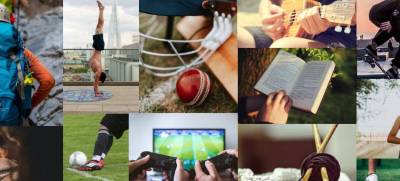
How to Inspire and Cultivate Hobbies
▲ Setting Goals and Planning
Set clear and measurable goals for your hobbies, then develop a realistic implementation plan based on these goals. With such a plan, you will be able to more systematically engage in hobby-related activities.
▲ Deepen Your Exploration and Learning
To gain a deeper understanding of your hobbies, it's essential to seek out and read authoritative, professional books. Through systematic study, you'll gain a more comprehensive understanding, deepen your understanding and passion for your hobbies, and ultimately, increase your level of participation.
▲ Actively Participate in Social Networking
Find people who share your interests and join local interest groups or clubs. In these groups, you'll have the opportunity to exchange experiences, share skills, and even collaborate on events. This positive, interactive environment will further fuel your passion for your hobbies and drive continuous self-improvement.
ADVERTISEMENT

Related Posts

How Music Shapes Personality and Emotions

Music is a universal human language, transcending language and cultural boundaries and deeply connected to our emotions. Everyone can find resonance in music and express their individuality through diverse musical styles and melodies. Music is both an art form and a crucial factor in shaping our personalities. Music is never simply a collection of techniques; it's a way of translating the inner world into sound. Everyone's growth experiences, emotional fluctuations, and details of observation leave traces in the notes. Music is an art form that can have a profound impact on people. In ancient times, our ancestors communicated by recognizing the timbre, pitch, and volume of sounds for survival. From an evolutionary psychology perspective, this is how music and human emotions became connected.

How Skiing Became the Ultimate Winter Hobby

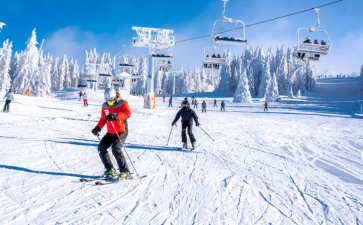
As the cold winter arrives as scheduled, the snow-covered landscape presents a magnificent scene, as if only pure white remains between heaven and earth. In this season, participating in more sports is a good choice for maintaining good health, as improved blood circulation is crucial for resisting the cold. Skiing is undoubtedly a highly popular winter sport. Winter skiing is a highly regarded activity among winter sports, not only helping people maintain their health but also allowing them to enjoy dynamic thrills and pristine beauty in a snow-covered environment. With the arrival of cold winter, the snow-capped landscape unfolds in a magnificent spectacle, as if nothing but pure white remains.

How Skateboarding Became an Olympic Sport

Skateboarding is an extreme sport. It's a board sports discipline in which athletes use sliding equipment to perform complex maneuvers, including slides, jumps, spins, and somersaults, on various terrains, surfaces, and specialized structures, all to the accompaniment of music. The development of skateboarding into an Olympic sport is a gradual process, mainly due to its popularity worldwide and the IOC’s strategy to promote the youthfulness of the Olympic movement. Skateboarding evolved from surfing in the late 1950s and early 1960s. The first skateboard was invented by residents of California in the 1960s. In the 1970s and 1980s, the first skateboarding association was established in the United States—the National Skateboarding Association (NSA). In 1981, the NSA and the European Skateboarding Association jointly held the first World Cup skateboarding competition in West Germany. On August 6, 2016, the IOC decided to include skateboarding as an official event in the 2020 Tokyo Olympics. [26] On December 7, 2020, the IOC agreed to include skateboarding as an official event in the 2024 Paris Olympics.

What Are the Health Benefits of Cycling?

Cycling is known as the "golden aerobic exercise." Just one hour a day can bring about amazing changes to your body, both inside and out. Cycling is a healthy and natural form of exercise and tourism, allowing you to fully enjoy the beauty of the journey. All you need is a bicycle and a backpack—simple and environmentally friendly. Experience challenges amidst the difficulties and feel the satisfaction of success at the destination. Cycling is a low-impact, easy-to-maintain exercise that effectively improves cardiovascular function, strengthens muscles, promotes calorie consumption, and enhances mental health. Long-term cycling can reduce the risk of chronic diseases, while also being environmentally friendly and socially engaging, making it suitable for people of all ages.

How Solving Rubik’s Cube Boosts Your Brain

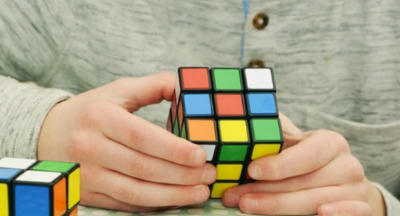
The Rubik's Cube is more than just a common educational toy; it also has direct positive impacts on brain development, mental health, and manual skills. Many people underestimate the practical benefits of this ordinary toy. A deeper exploration reveals that its benefits go far beyond its superficial value as a time killer and can even be a tool for improving thinking. Solving a Rubik's Cube is a highly beneficial mental activity that can promote brain development and functional improvement in multiple dimensions. The process of solving a Rubik's Cube is essentially a puzzle-solving process involving continuous analysis, reasoning, and decision-making. You need to consider the impact of each turn on the overall structure and plan strategies to achieve your goal. This continuous mental training effectively exercises the brain's logical reasoning ability and systematic thinking, making people more organized and strategic when facing complex problems.

Why Dance Styles Differ Around the World

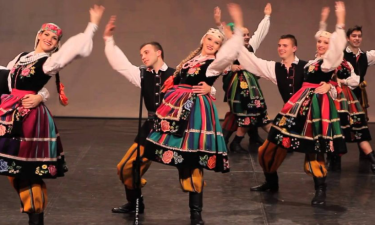
In the world of dance, each country has its own unique dance style, reflecting the characteristics of its diverse cultures and traditions. Dance styles from around the world are diverse, reflecting the unique cultures and traditions of each nation. Whether it's the elegance of China, the mystery of India, the freedom of America, the refinement of Russia, the passion of Spain, or the vitality of Africa, each dance style possesses its own distinct charm and mode of expression. It is precisely this diversity that adds immeasurable allure and vitality to the art of dance. Let us explore and appreciate the splendor of dance from around the world!